
Mediation Task
Transfer information across contexts and registers using clear, natural English.
Lesson objectives
- Transfer key information clearly from Spanish into natural English.
- Adapt tone, audience and purpose more effectively.
- Summarise ideas about mass surveillance & state power without sounding literal or translated.
Mediation
Escribe un artículo de opinión para el boletín de tu club de debate. Debes resumir los puntos clave del texto original y presentar una postura equilibrada sobre la tensión entre seguridad y privacidad, utilizando un registro formal y académico adecuado para un nivel C1.
Texto original (español)
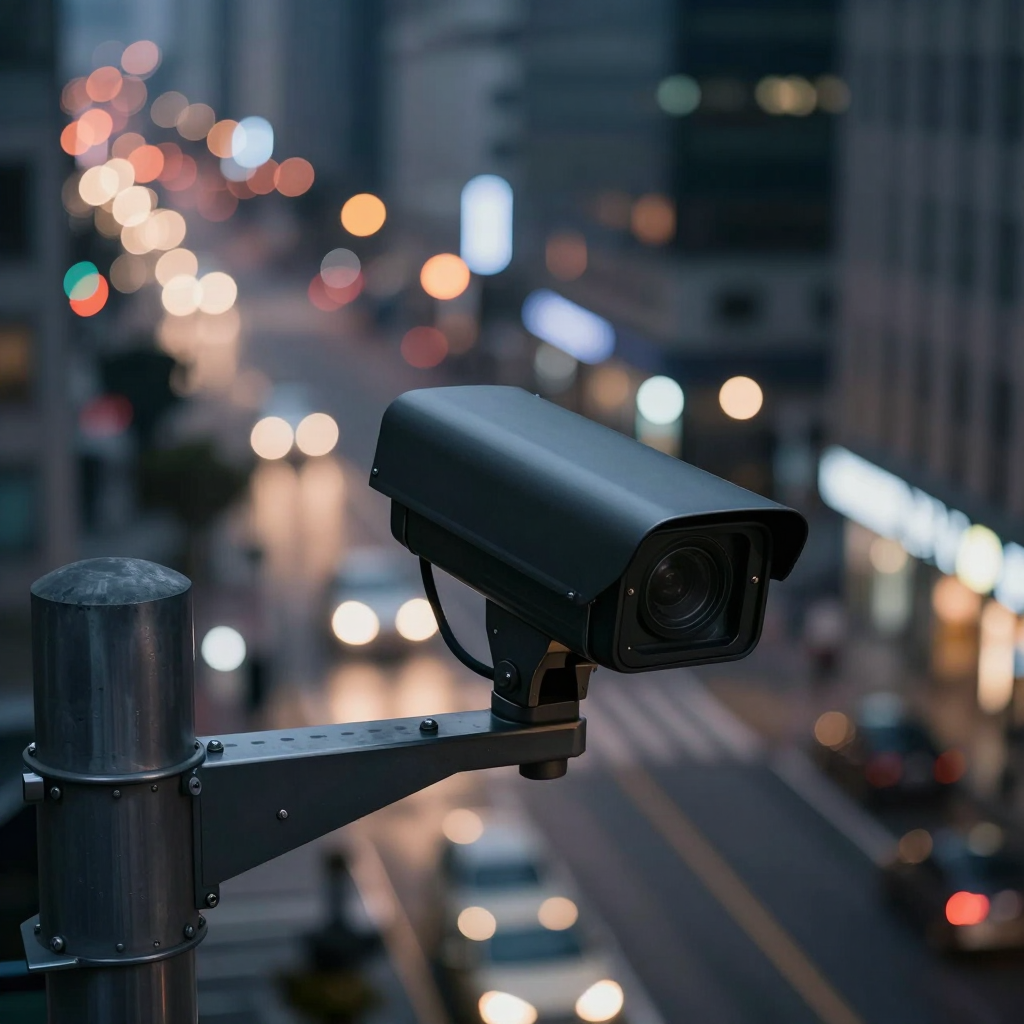
El gobierno ha anunciado la implementación de un nuevo sistema de vigilancia inteligente en todas las áreas metropolitanas. Este sistema utiliza reconocimiento facial avanzado y análisis de datos en tiempo real para prevenir incidentos criminales. Según las autoridades, la medida es esencial para garantizar la seguridad ciudadana y responder rápidamente ante emergencias. Sin embargo, algunos grupos de derechos civiles han expresado su preocupación por la pérdida de privacidad y el posible abuso de poder estatal. El despliegue comenzará el próximo mes en las zonas con mayor densidad de población.
Imagen de apoyo
🖼️ 
Estrategias clave
- Synthesising information: Identificar los puntos principales (seguridad vs. privacidad) sin copiar textualmente.
- Paraphrasing: Transformar conceptos como 'reconocimiento facial' o 'derechos civiles' usando vocabulario avanzado.
- Register shifting: Adaptar el tono de una noticia neutra a un artículo de opinión académico.
- Structuring: Organizar el texto con una introducción, desarrollo de argumentos y conclusión clara.
- Cohesion: Utilizar conectores de contraste (however, whereas) y de causa-efecto (consequently, due to) para dar fluidez.
- Perspective taking: Presentar ambos lados del debate de manera objetiva antes de concluir.
Audiencia de destino
your university debate club members
Respuesta modelo (English)
The recent announcement regarding the implementation of intelligent surveillance systems in metropolitan areas has ignited a fierce debate concerning the balance between state authority and individual liberty. According to recent government reports, the deployment of facial recognition technology is intended to bolster public safety and enable rapid emergency responses. Proponents argue that such measures are indispensable in an increasingly complex urban environment.
Nevertheless, this technological leap is not without controversy. Civil rights advocates have voiced significant concerns regarding the erosion of personal privacy and the potential for state overreach. The fundamental question remains: can we justify the loss of anonymity in exchange for perceived security?
In conclusion, while the promise of crime prevention is compelling, the implications for civil liberties cannot be overlooked. As we move towards a more monitored society, it is imperative that robust legal frameworks are established to prevent the misuse of data. We must ensure that technological advancement serves to protect citizens without compromising the very freedoms it aims to defend.