
Mediation Task
Transfer information across contexts and registers using clear, natural English.
Lesson objectives
- Transfer key information clearly from Spanish into natural English.
- Adapt tone, audience and purpose more effectively.
- Summarise ideas about ocean health & marine conservation without sounding literal or translated.
Mediation
Basándote en la información del informe, redacta un artículo para el boletín de tu club de medio ambiente local. Debes informar a los socios sobre la situación actual de los océanos y proponer acciones concretas basadas en el texto. Utiliza un registro formal pero motivador.
Texto original (español)
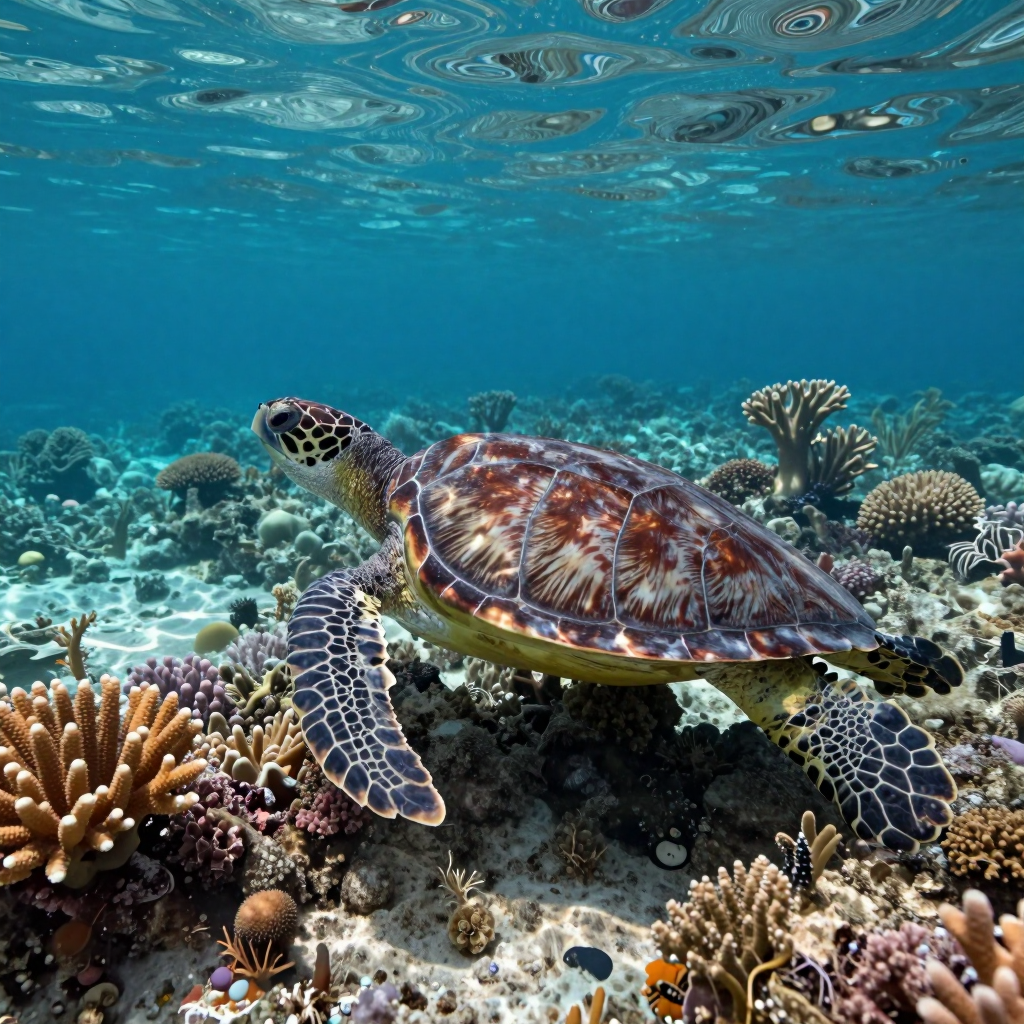
El informe anual de la Fundación Marina revela que la salud de nuestros arrecifes de coral está en un punto crítico. El aumento de la temperatura del agua y la contaminación por plásticos han causado un blanqueamiento masivo en el 40% de las zonas protegidas. Sin embargo, el informe también destaca que las nuevas zonas de reserva marina han permitido que algunas especies de peces se recuperen rápidamente. Se recomienda urgentemente reducir el uso de plásticos de un solo uso y apoyar las iniciativas de restauración de corales para evitar un colapso irreversible del ecosistema marino.
Imagen de apoyo
🖼️ 
Estrategias clave
- Identificar las ideas principales del texto original (amenazas y éxitos).
- Parafrasear conceptos técnicos como 'blanqueamiento de coral' de forma natural.
- Adaptar el tono de una noticia a un artículo de boletín comunitario.
- Sintetizar la información para evitar la repetición innecesaria.
- Transformar datos estadísticos en argumentos persuasivos.
- Organizar el texto con una estructura clara: introducción, desarrollo y conclusión/llamada a la acción.
Audiencia de destino
your local community environmental club
Respuesta modelo (English)
Subject: Urgent Update: The State of Our Oceans and How We Can Act
Recent data from the Marine Foundation has highlighted a sobering reality regarding the health of our oceans. The report indicates that our coral reefs are facing a critical turning point due to rising sea temperatures and plastic pollution. Specifically, 40% of protected areas have suffered from massive bleaching, threatening the delicate balance of marine life.
On a more positive note, the report also reveals that established marine reserves have successfully facilitated the recovery of certain fish populations. This demonstrates that when we provide space for nature to heal, it can respond remarkably well.
To prevent an irreversible ecological collapse, we must act now. As members of this club, we should lead by example by drastically reducing our consumption of single-use plastics. Furthermore, I encourage everyone to support active coral restoration initiatives. By combining local lifestyle changes with support for conservation projects, we can help safeguard these vital ecosystems for future generations. Let us turn these warnings into meaningful action.