
Mediation Task
Transfer information across contexts and registers using clear, natural English.
Lesson objectives
- Transfer key information clearly from Spanish into natural English.
- Adapt tone, audience and purpose more effectively.
- Summarise ideas about chronic illness & quality of life without sounding literal or translated.
Mediation
Escribe un artículo para la revista de tus colegas resumiendo los puntos clave del texto sobre la gestión de enfermedades crónicas. Debes adaptar la información para que sea útil en un contexto profesional de bienestar, manteniendo un registro formal y analítico.
Texto original (español)
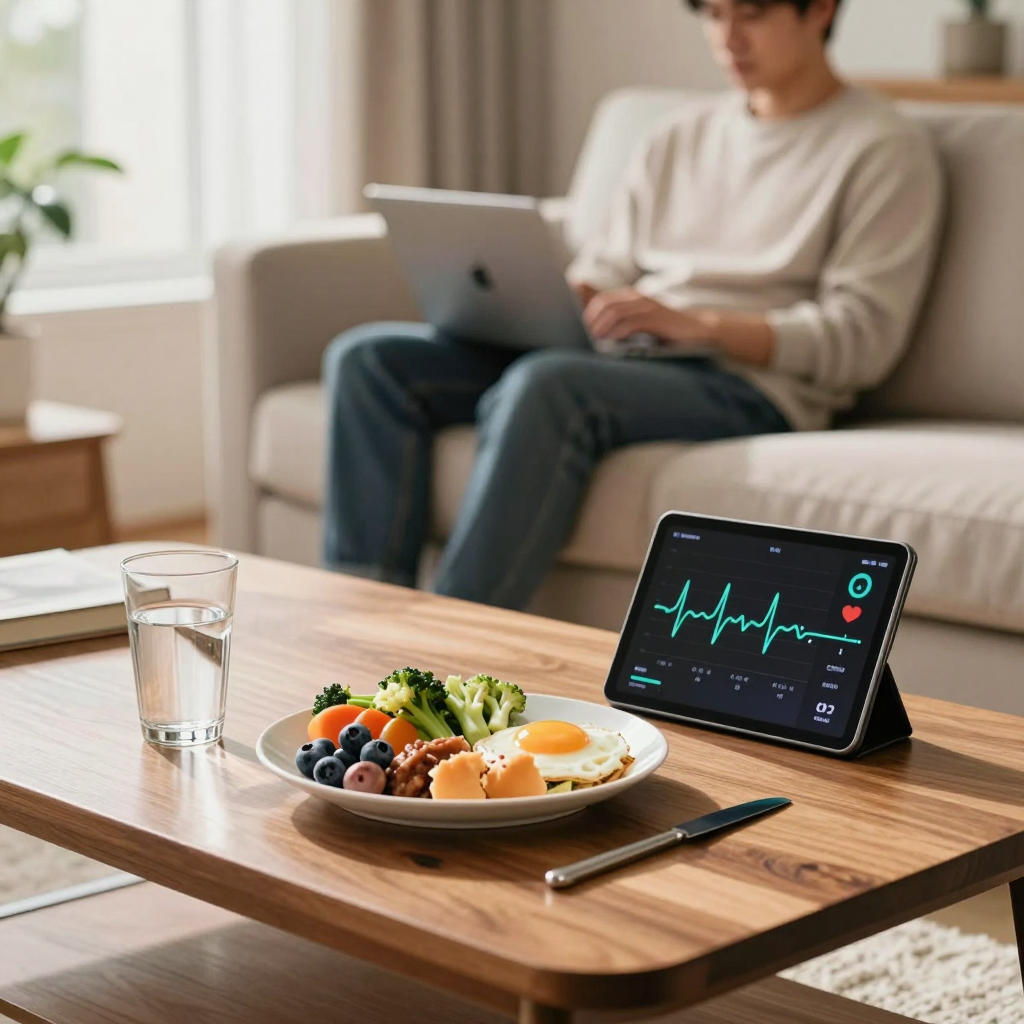
La gestión de enfermedades crónicas ha cambiado. Ya no se trata solo de sobrevivir, sino de mantener una alta calidad de vida. Los expertos sugieren que el control de la dieta, la actividad física moderada y el apoyo psicológico son pilares fundamentales. Además, el uso de tecnología para el seguimiento diario permite a los pacientes tener mayor autonomía. Sin embargo, el aislamiento social sigue siendo un riesgo importante. El objetivo es integrar el cuidado de la salud en la rutina diaria sin que la enfermedad sea el único centro de la vida del individuo.
Imagen de apoyo
🖼️ 
Estrategias clave
- Identify the main ideas: Distinguish between clinical facts and lifestyle recommendations.
- Paraphrasing: Avoid copying the source text directly; use synonyms like 'well-being' instead of 'quality of life'.
- Synthesising: Combine the importance of technology with the risk of social isolation into a cohesive argument.
- Register adjustment: Use professional vocabulary suitable for a magazine article (e.g., 'pivotal', 'integral').
- Structuring: Use clear paragraphs to separate the current state of health management from future challenges.
- Relevance: Focus only on the information that serves the purpose of informing colleagues.
Audiencia de destino
your colleagues at a health and wellness magazine
Respuesta modelo (English)
The paradigm of managing chronic illnesses has undergone a significant shift in recent years. It is no longer merely about medical survival; the primary focus has transitioned towards maintaining an optimal quality of life.
According to recent insights, effective management relies on a holistic approach. This includes a combination of nutritional control, consistent moderate physical activity, and robust psychological support. Furthermore, the integration of modern technology allows patients to monitor their health autonomously, fostering a sense of control over their daily routines.
However, despite these advancements, challenges remain. While technology provides autonomy, there is a persistent risk of social isolation, which can negatively impact mental well-being. Therefore, the goal for healthcare professionals and patients alike should be to integrate health management seamlessly into daily life. We must ensure that managing a condition does not overshadow the individual's identity or social engagement. Moving forward, our editorial focus should highlight how to balance clinical necessity with meaningful living, ensuring that health management remains a part of life, rather than the entirety of it.