
Mediation Task
Transfer information across contexts and registers using clear, natural English.
Lesson objectives
- Transfer key information clearly from Spanish into natural English.
- Adapt tone, audience and purpose more effectively.
- Summarise ideas about photography, documentary & visual truth without sounding literal or translated.
Mediation
Basándote en el texto proporcionado, escribe un mensaje para el grupo de chat de tu club de fotografía. Debes resumir los puntos principales de la exposición y dar tu opinión sobre el dilema ético planteado, manteniendo un tono informal pero reflexivo adecuado para un grupo de aficionados.
Texto original (español)
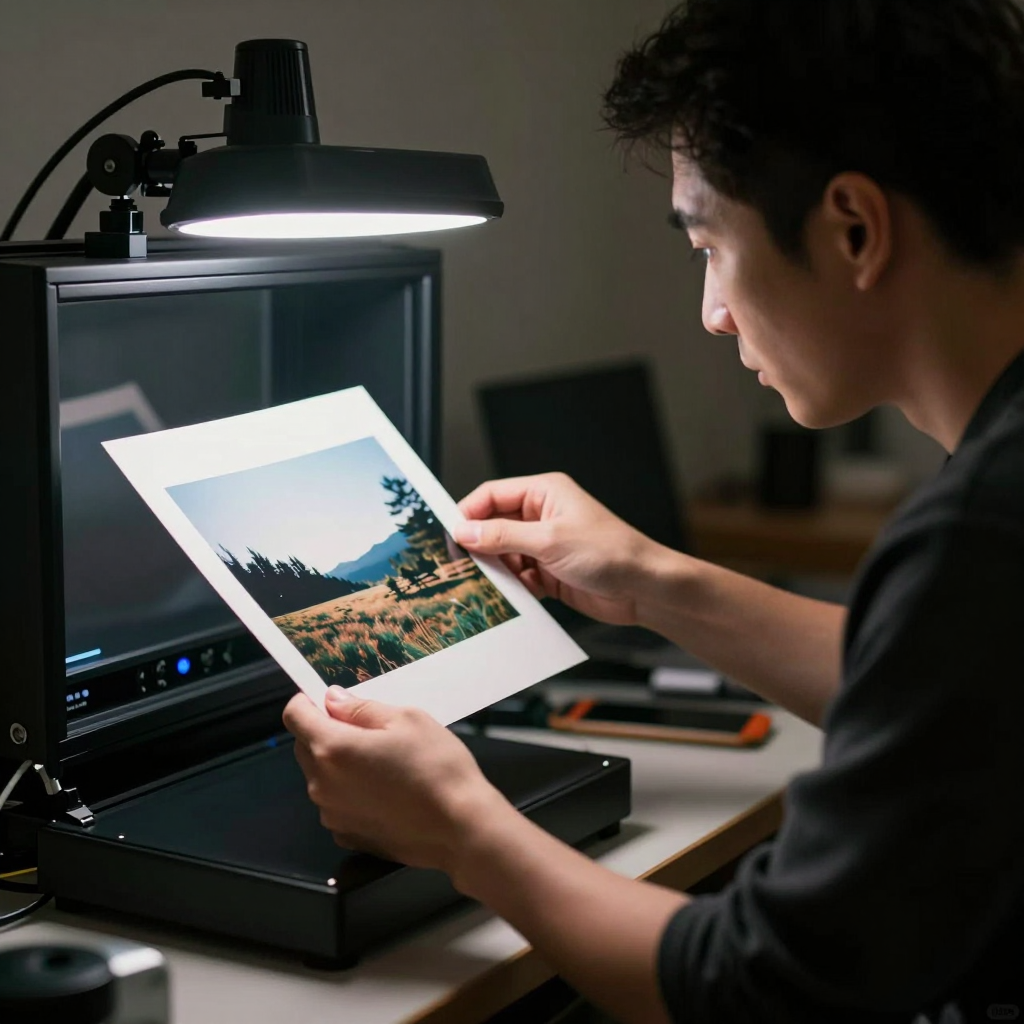
La nueva exposición 'Verdad vs. Lente' en el Museo de Fotografía plantea un debate necesario. Muchos fotógrafos documentales utilizan técnicas de edición avanzada para resaltar la emoción de una escena, pero ¿hasta qué punto esto distorsiona la realidad? La exposición analiza cómo la manipulación digital ha cambiado nuestra percepción de la verdad visual. Se invita a los asistentes a reflexionar sobre la ética de la fotografía periodística y si una imagen 'perfecta' es realmente un reflejo fiel de los hechos o simplemente una construcción artística.
Imagen de apoyo
🖼️ 
Estrategias clave
- Identificar las ideas principales sobre la ética y la edición en el texto fuente.
- Adaptar el registro de un texto informativo a un mensaje de chat informal.
- Sintetizar la tensión entre 'realidad' y 'estética' sin perder la esencia.
- Utilizar conectores de opinión para introducir el punto de vista personal.
- Evitar la traducción literal para mantener la fluidez natural en inglés.
- Organizar la información de manera que invite a la discusión en el grupo.
Audiencia de destino
a photography club group chat
Respuesta modelo (English)
Hey everyone! I just read something fascinating about a new exhibition called 'Truth vs. Lens' at the Photography Museum, and I immediately thought of our last debate.
The exhibition explores the fine line between documentary photography and digital manipulation. It basically questions whether heavily edited photos can still be considered 'truthful' or if they become mere artistic constructions. It’s a deep dive into the ethics of how we capture reality.
Personally, I find this dilemma quite challenging. While we all want our shots to look visually stunning, there's a risk of misleading the viewer if we over-process the scene. In documentary work, I believe authenticity should always come first, even if it means losing that 'perfect' aesthetic. However, in artistic photography, the rules are different.
What do you guys think? Is a photo still 'real' if it's been heavily edited to evoke emotion? I'd love to hear your thoughts before we head there next weekend!