
Mediation Task
Transfer information across contexts and registers using clear, natural English.
Lesson objectives
- Transfer key information clearly from Spanish into natural English.
- Adapt tone, audience and purpose more effectively.
- Summarise ideas about biotechnology & genetic engineering without sounding literal or translated.
Mediation
Escribe un informe para tu grupo de seminario universitario resumiendo los puntos clave del texto proporcionado. Debes utilizar un registro formal y académico, comparando los beneficios y los riesgos de la ingeniería genética de manera equilibrada.
Texto original (español)
La biotecnología moderna ha avanzado rápidamente, permitiendo la creación de cultivos más resistentes a las sequías y plagas. Aunque esto promete aumentar la producción mundial de alimentos y combatir el hambre, también genera preocupaciones sobre la pérdida de biodiversidad y los efectos a largo plazo en los ecosistemas naturales. Algunos expertos sugieren que la ingeniería genética es la única solución viable ante el crecimiento demográfico, mientras que otros piden regulaciones mucho más estrictas para evitar consecuencias imprevistas. Es un debate complejo entre el progreso tecnológico y la preservación ambiental.
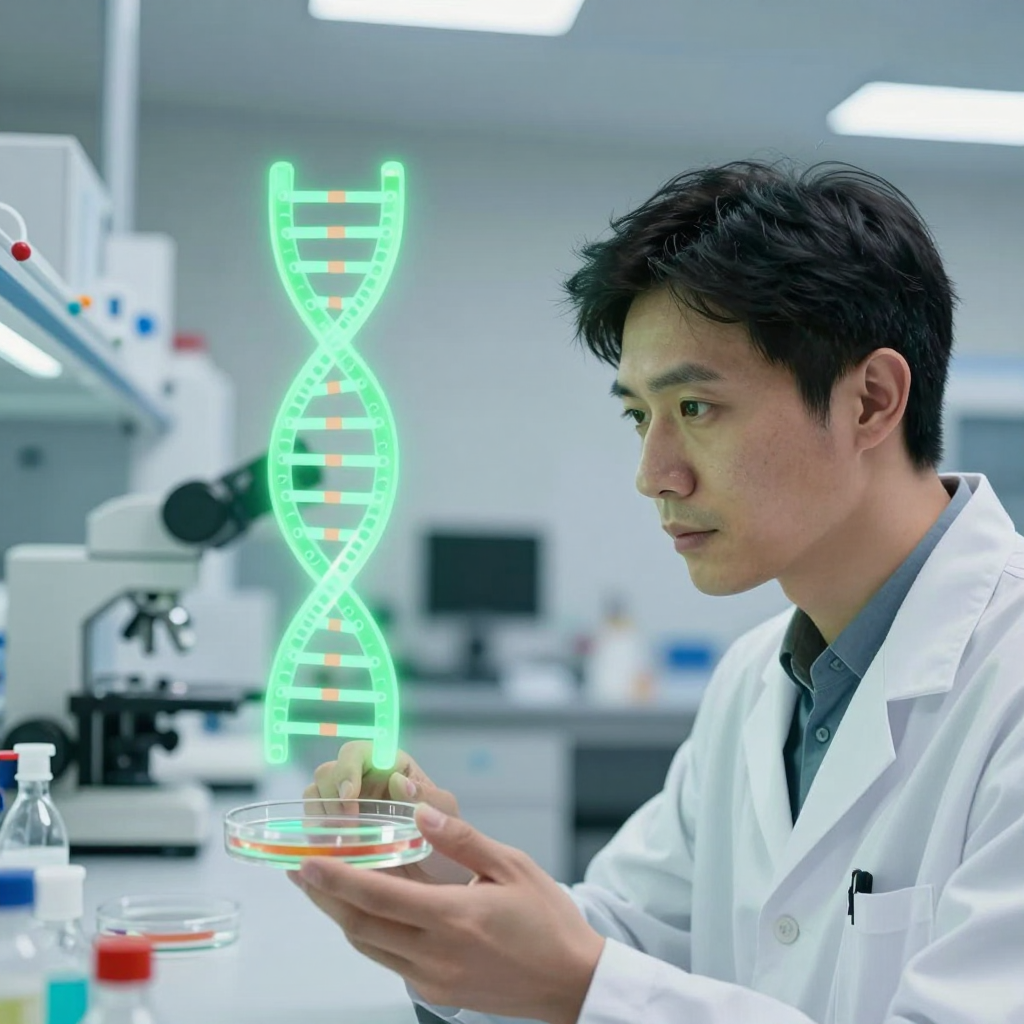
Imagen de apoyo
🖼️ 
Estrategias clave
- Identificar las ideas principales y los puntos de conflicto en el texto original.
- Parafrasear conceptos técnicos (como 'biodiversidad' o 'crecimiento demográfico') para evitar el plagio.
- Utilizar conectores de contraste para presentar argumentos opuestos (e.g., 'whereas', 'on the other hand').
- Mantener un tono objetivo y académico evitando opiniones personales directas.
- Sintetizar la información para que sea relevante para la audiencia específica (estudiantes universitarios).
- Organizar el texto con una estructura clara: introducción, desarrollo de argumentos y conclusión.
Audiencia de destino
your university seminar group
Respuesta modelo (English)
Subject: Summary of the debate regarding biotechnological advancements
This report aims to outline the current debate surrounding biotechnology and genetic engineering, as discussed in recent briefings.
The primary advantage of these technological advancements lies in their potential to bolster global food security. By developing crops resistant to environmental stressors such as drought and pests, genetic engineering offers a viable solution to the challenges posed by rapid population growth. This could significantly increase agricultural yields worldwide.
However, these benefits are accompanied by significant ethical and environmental concerns. Critics argue that the widespread implementation of genetically modified organisms could lead to a reduction in biodiversity and unpredictable long-term ecological consequences. There is a tension between the drive for technological progress and the necessity of preserving natural ecosystems.
In conclusion, while biotechnology presents a promising tool for addressing global hunger, it necessitates a careful balance. It is essential to weigh the immediate benefits of increased production against the potential risks to the environment. Moving forward, the implementation of stringent regulatory frameworks will be crucial to mitigate these risks while harnessing the potential of genetic innovation.